
Who Would be NAUGHTY to Look so Ugly… London: B.B.. Evans, 1790. (Cotsen)
Stories of a pair of boys whose lives took them in opposite directions were favorites in the 1700s. Probably the most famous one was William Hogarth’s Industry and Idleness (1747), the tale of two apprentices, one who becomes Lord Mayor of London, the other a murder hung on the gallows, in twelve plates.
Because girls lead much less adventurous lives, they are rarely featured in stories of this kind. They are sometimes featured in prints like the pair Cotsen just acquired of an industrious and an idle girl after Thomas Spence Duché, a pupil of Philadelphia painter Benjamin West, who moved to London during the American Revolution. Supposedly the work of Thomas Lovegood (an imaginary name if there ever were one), the mezzotints were published by the London print seller Benjamin Beale Evans.
The first engraving, which is dedicated “To all sweet tempered industrious & obedient children,” shows a example of a perfect little girl. She is seated to the right of a table, and holds open the crisp pages of the writing book to show her beautiful copies of round hand italic capitals. Tight blonde ringlets frame her mild face and the sheer dress is arranged gracefully over her lap and modestly closed knees. The caption, “Who would not be GOOD to look so lovely?” holds out the promise that exemplary behavior makes beauty bloom.
A neat, pretty girl with agreeable manners can reasonably expect good things to fall in her lap–but not a bad one whose ill-nature can be read in her face. Mr. Lovechild dedicates the second print “To all pouting lazy illtempered lying & disobedient children.”  This little miss wears the same dress as the other one but sits in an ungainly and immodest pose, skirt rumpled, knees akimbo. Around her neck is a string threaded through a leather strip which reads “Lyar.” A girl who took her lessons seriously would not own a book with folded and creased pages because she would take good care of it. Next to the book is a switch, which has surely been applied to her bottom as a punishment for laziness (“Henry Birch” is credited as the engraver, but it is a pseudonym used by Richard Earlom as a joke). She stares out of the picture, too bored to anything except play with her tousled, messy hair. “Who would be NAUGHTY to look so ugly?” asks the title.
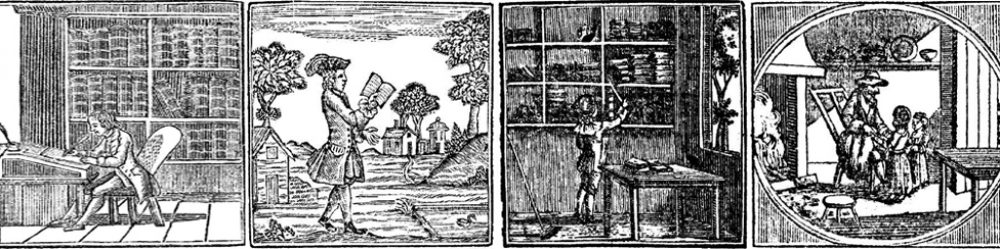
The naughty girl ought to look ashamed at having been crowned with a dunce’s cap, but there is no sign of remorse for whatever she did to deserve such a punishment. Miss Sulky is not wearing the ordinary tall paper cone associated with schoolroom humiliation handed out by the master. Hers is a truly magnificent specimen, modelled on the cap and bells traditionally worn by Folly seen in the cut below to the left. Minerva is seated to the right, holding out a book to the boy, who has to chose between the two of them.I have no idea what the meaning of symbols above the label on which “Dunce” is printed might be.
 St. Nicholas’ Day has already flown past, but there’s still time to clean up your act before Christmas Eve. Which little girl will you remember? Whose example will you take to heart?


